Presence is Fire
- 2011, Glazed porcelain
- 7” H x 27” x 19” installed
- Available for Sale


Catalog Entry from If These Walls Could Talk Exhibit, Neill-Cochran House 2020:
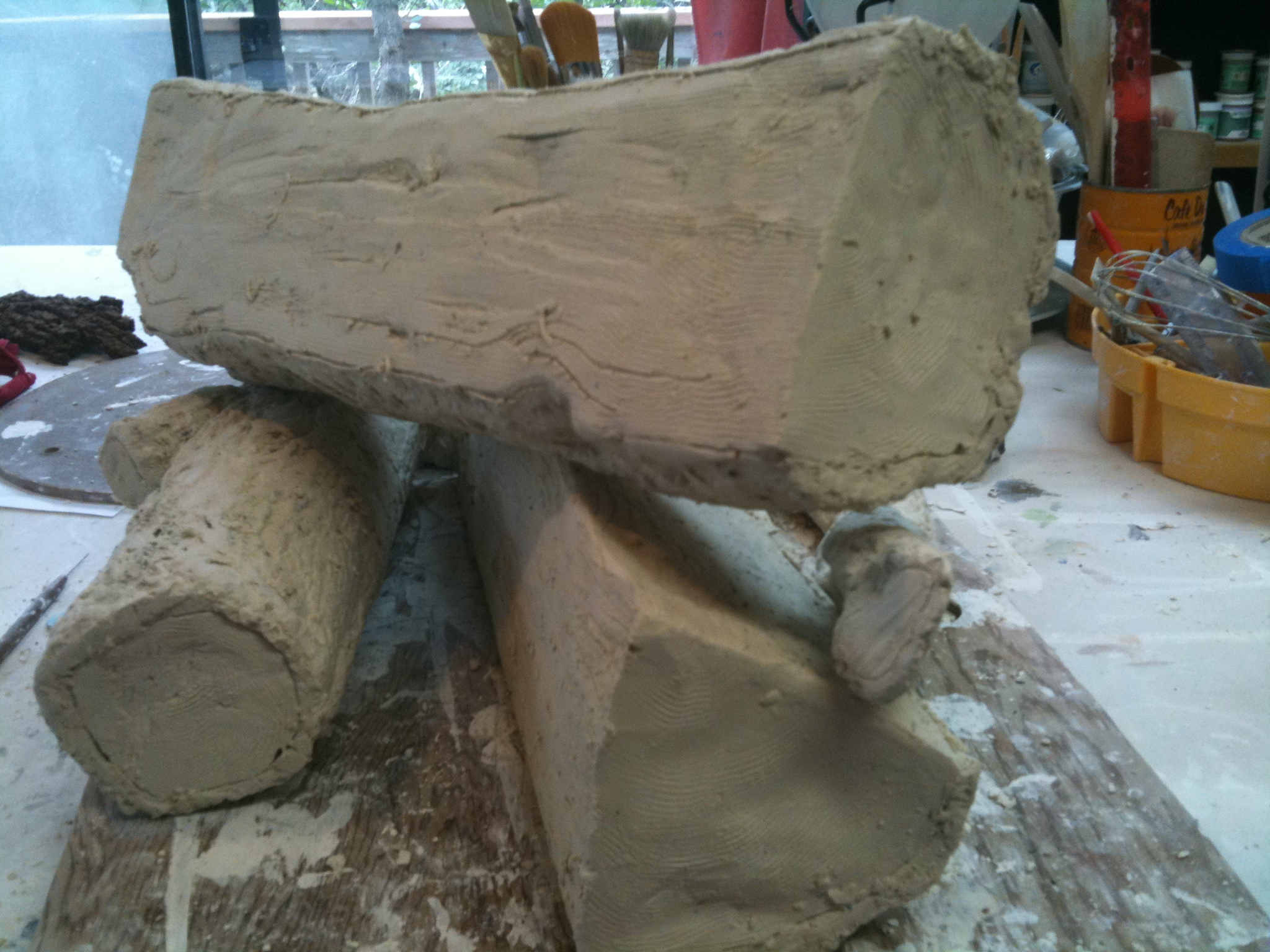
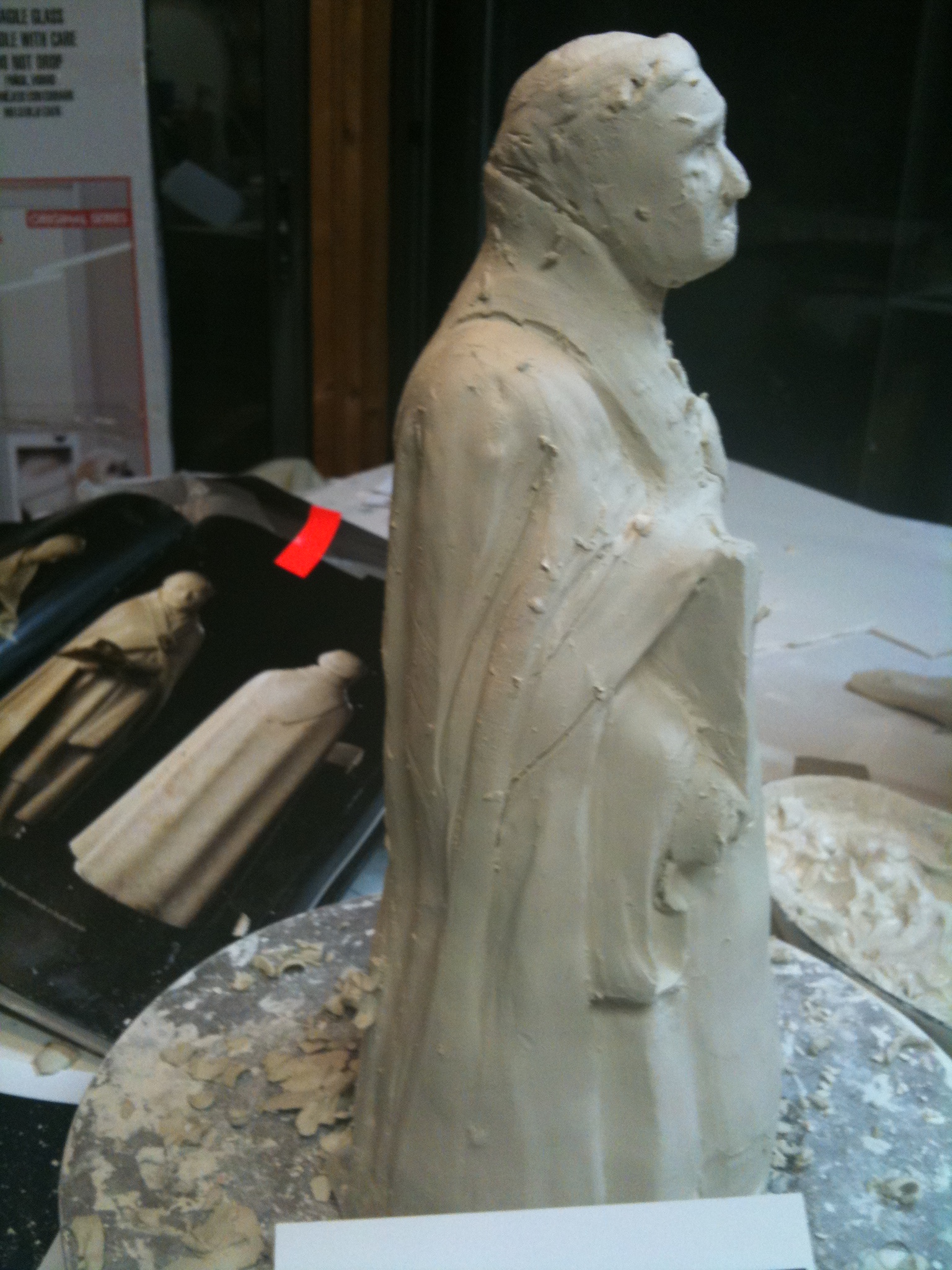
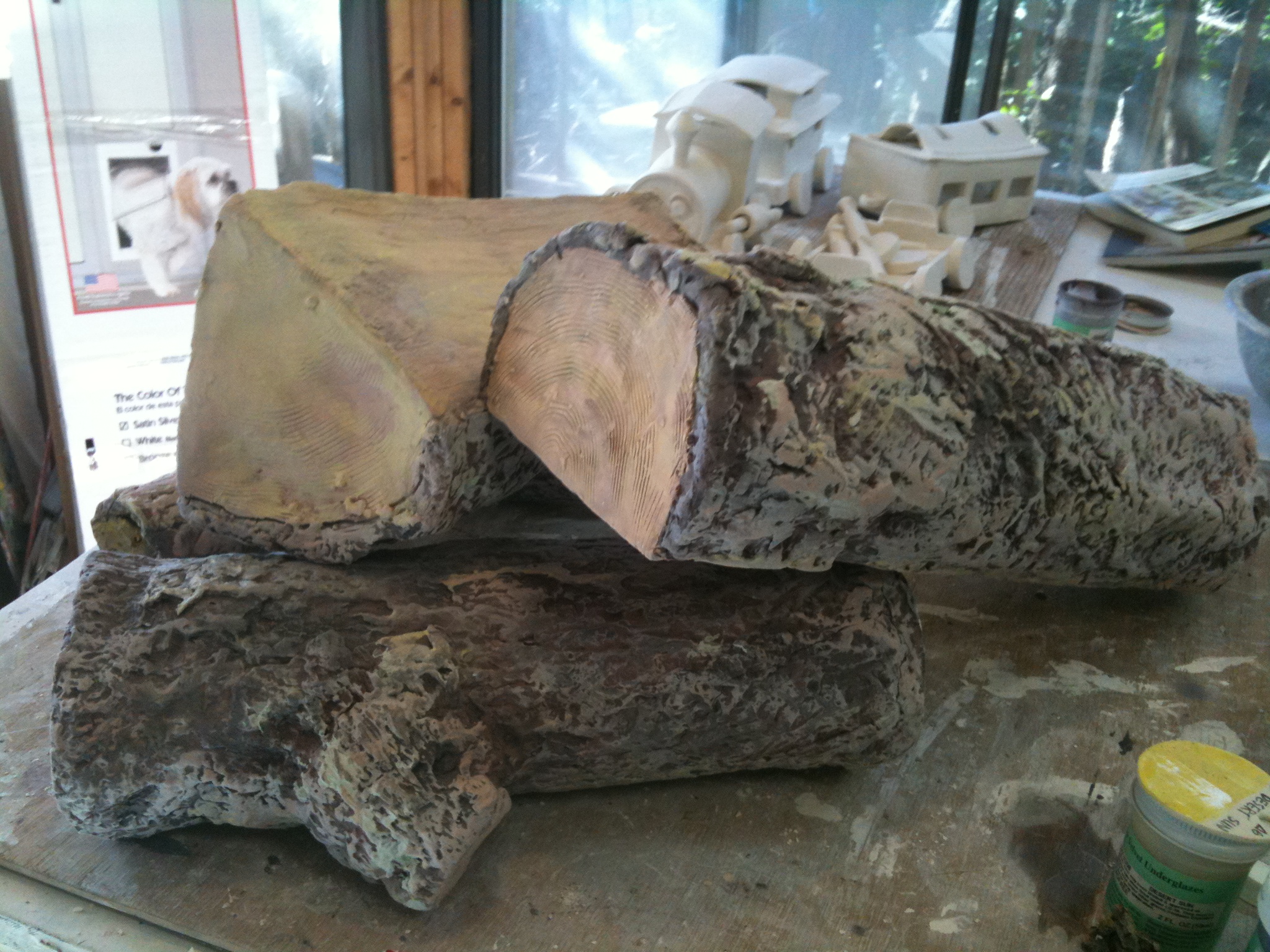
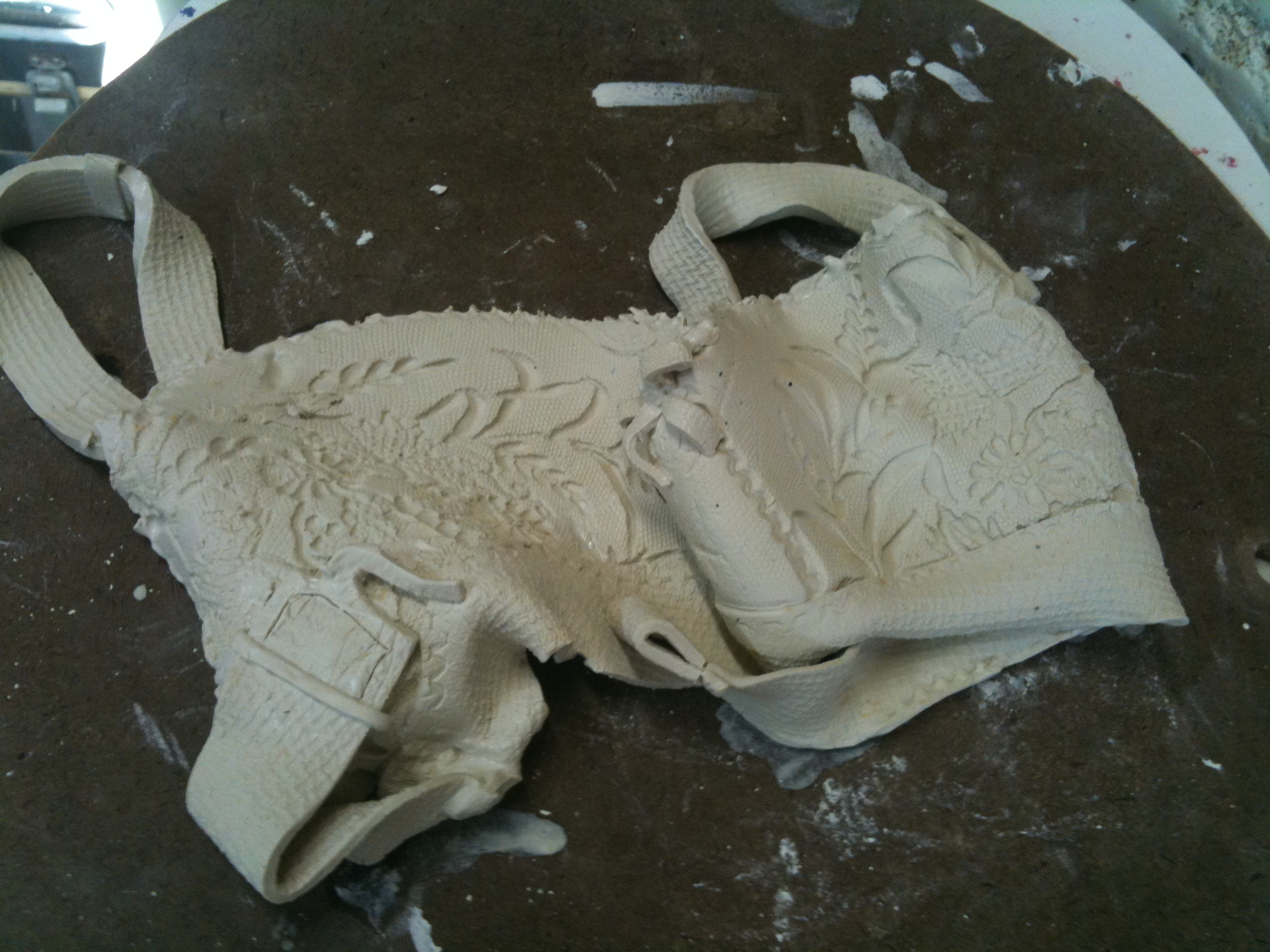
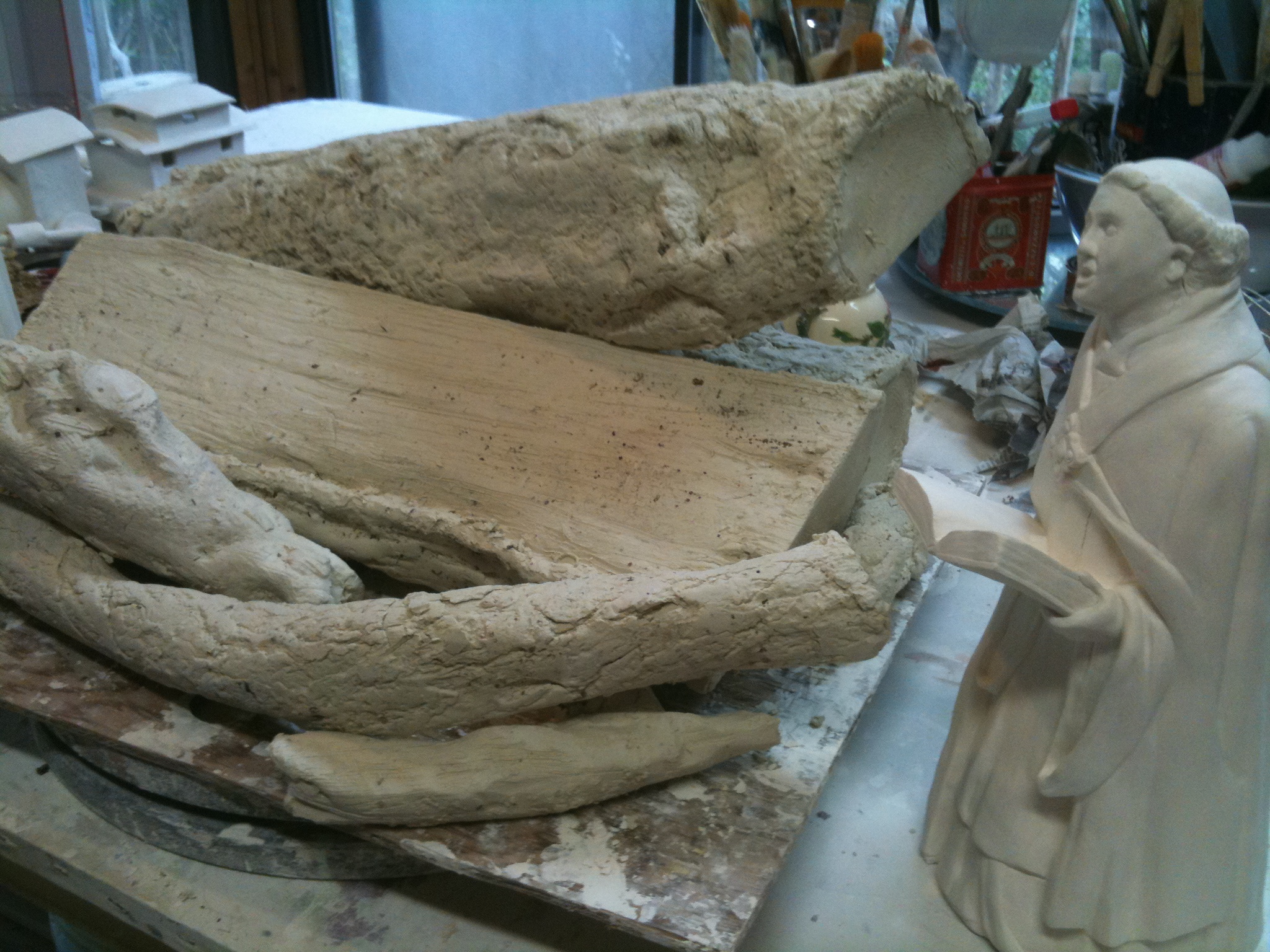
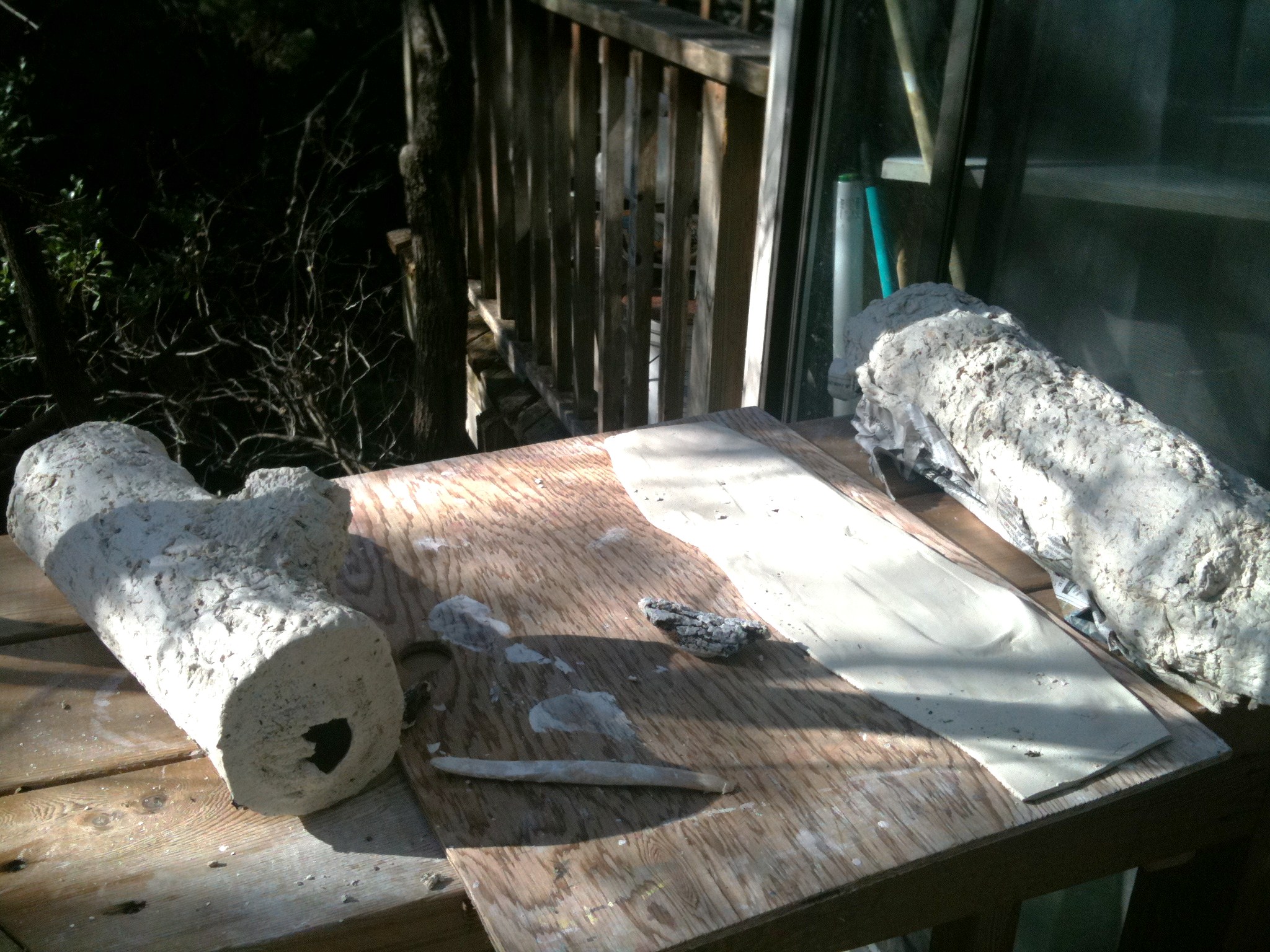
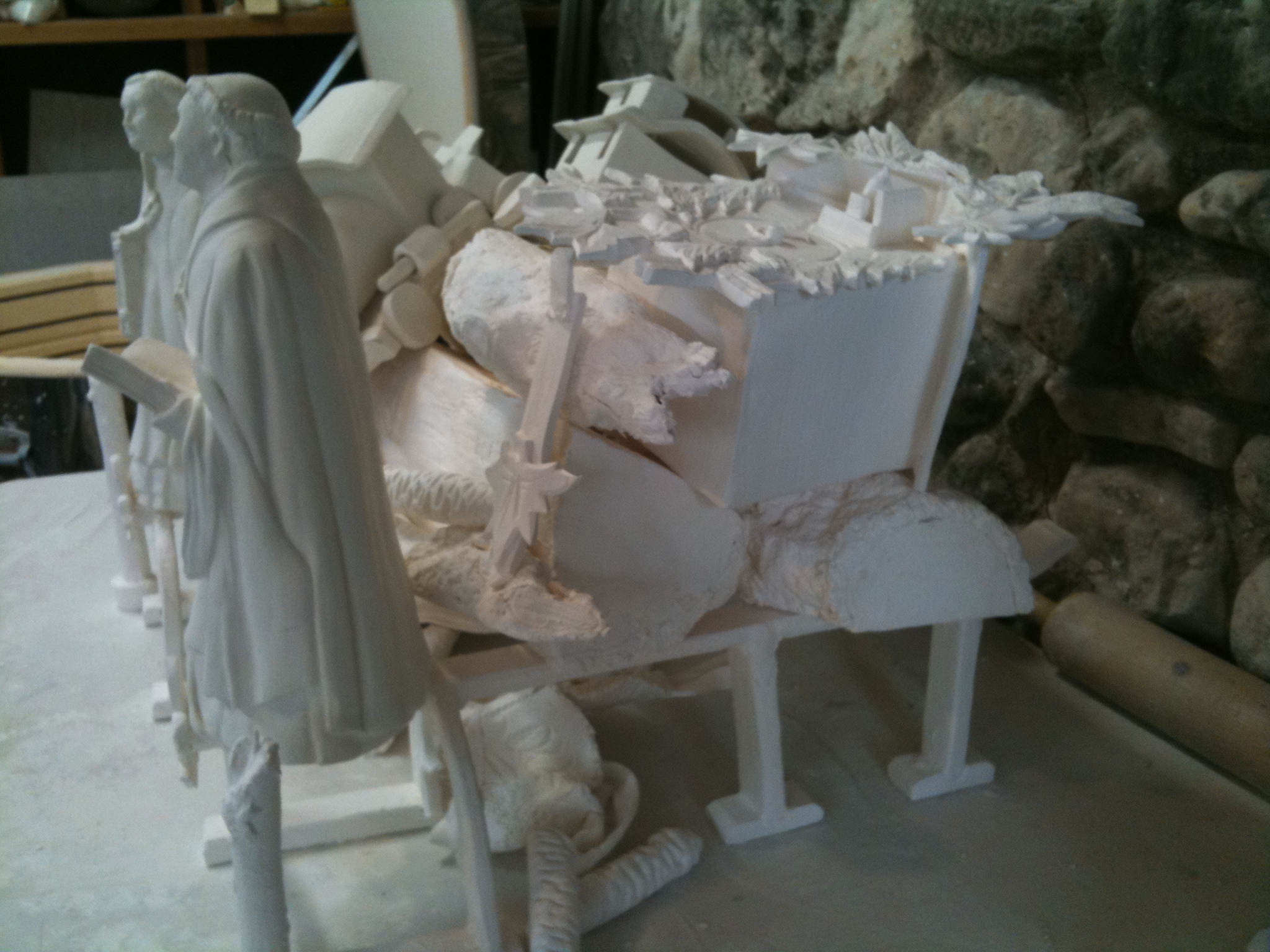
When I pointed out to Jennifer that this fireplace ensemble is made from porcelain from the ashes on up, she honed in on the painting on the front log. Hailing from the Book of Daniel, the three Hebrew boys in the fiery furnace are a key story in black liberation theology, she informed me. It is now seen as an ancient lynching. Fervent sermons and songs about the Lord delivering the boys has inspired hope to the oppressed for decades. I’d included this image just because of the pun about the furnace, or fireplace. Shadrack, Meshach, and Abednego looked like Christmas elves. Turns out the story is about Presence as the three were protected by a mysterious fourth figure, who had “the appearance of a god.” (Daniel 3:1-30.) Presence is a word that evokes mysterious being, something to be perceived but not explained... The presence that is capable of transforming lives is the enigmatic divine presence, a wild thing, irascible and too unpredictable to be managed. It is a stain on all religions that they endeavor to control and codify it. Because it lacks a material tangibility, presence questions physicality. Thus it has an incarnational sensibility. The ensemble, Presence is Fire, is a complex piece that became key to a cozy story of hearth and home when Chlora observed the fire in the fireplace on Christmas night. With only a vague pre-visualization of the sculpture, I shaped the logs first, taking delight in transferring the texture of bark from some actual oak logs onto slabs of clay. The malleable porcelain picked up the striations of wood grain. A Magritte painting of a fireplace haunted me. Entitled Time Transfixed, it shows a locomotive roaring full steam ahead out of an empty fireplace, a motionless clock and candles on the mantle above. That picture somehow put time out of gear and evoked a vacancy that resembled the proscenium for the theatre, just waiting for a story to fill in space. I decided to fill the fireplace. Andirons were needed to contain the logs. For models I turned to art history. I considered a pair of wooden African figures at the Dallas Museum of Art, then realized wooden andirons would be useless. A profound exhibition at the DMA provided another option. In it were eighty alabaster figures, each about 16” tall, from a Gothic tomb in France. Called “mourners,” each bore individual gestures of sorrow as they processed to the burial of the Duke of Burgundy. Since an artist with a table full of clay would not be allowed in the museum’s gallery, I had to sculpt these two guys from photographs. They bear an awkwardness that is not present in the real sculptures, but somehow it is fitting for mine. The mourners stand on a porcelain framework glazed to look like Gothic ironworks. Ashes to ashes, mourners, censorship, and a lonely Magritte—this was adding up to a downer. It reminded me that my own howling grief over the loss of my grandmother in a house fire on Christmas Eve years ago wasn’t complete. Mourning never is. Back in 1982, when cleaning out the scorched living room of my grandmother’s home, I recovered a blackened platter in a pile of ashes that had been her prized breakfront. It was the only unbroken treasure in the room. When the sticky soot was cleaned off, the Prussian china glowed, even its gold overglaze intact. I use that platter every Christmas. (excerpt from unpublished story by the artist, January 2017)